
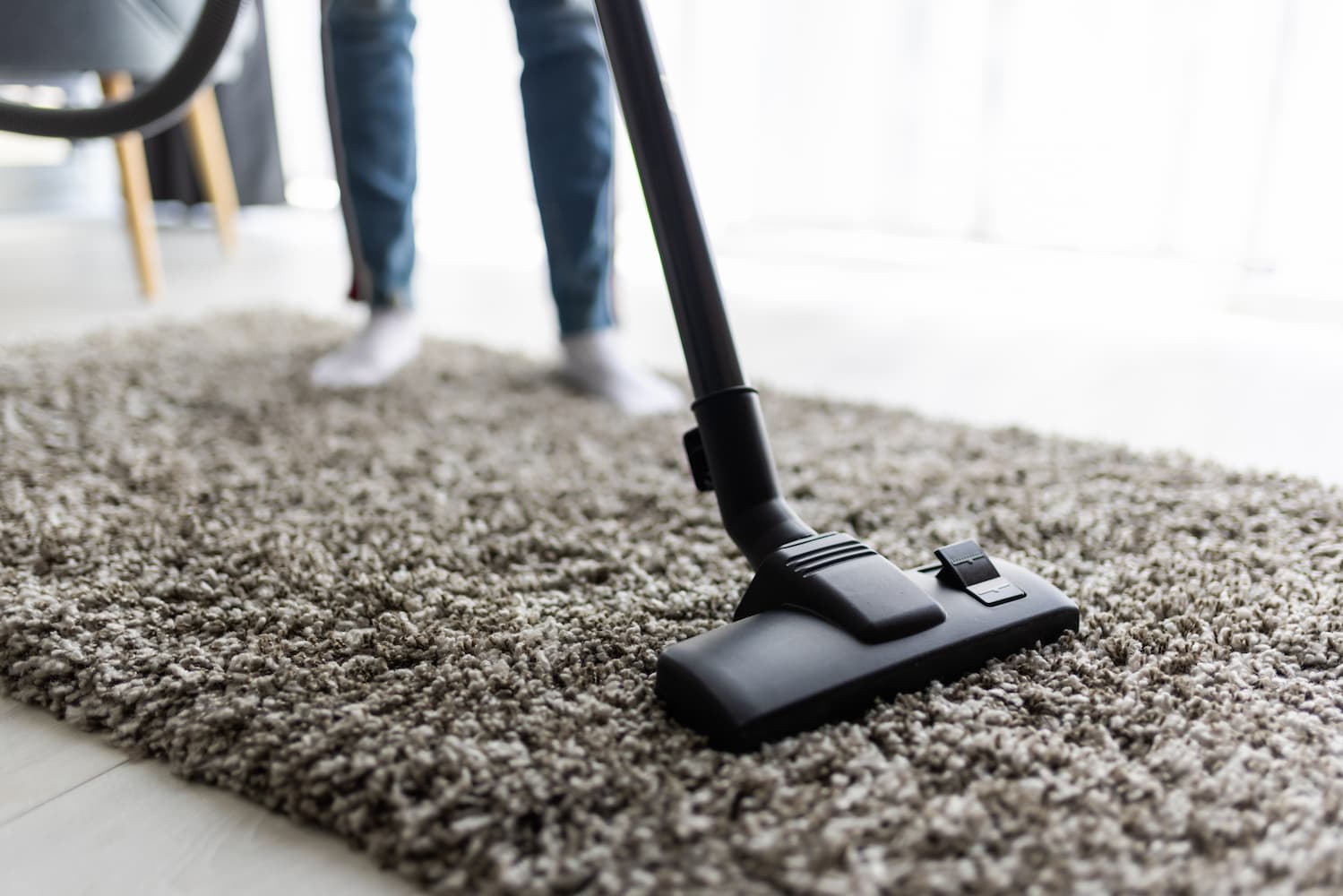
For many people, home is meant to be a place of comfort and relaxation. However, for allergy sufferers, even the safest space can become a source of discomfort. Dust, pet dander, mold spores, pollen, and other hidden allergens often settle into carpets, furniture, curtains, and hard-to-reach areas. These particles may be invisible to the eye, but they can significantly affect daily comfort and indoor air quality.
A cleaner home does not simply look better, it also supports a healthier environment. Effective Cleaning for Allergy Sufferers requires more than occasional vacuuming or wiping surfaces. It involves targeted cleaning practices, consistency, and attention to areas where allergens tend to accumulate.
At Wie Neu, we understand that a truly clean home goes beyond appearance. A professionally maintained environment can help reduce allergy triggers and create a fresher, healthier living space for families and individuals alike.
Understanding Common Household Allergens
Before developing an effective cleaning routine, it helps to understand where allergens come from and how they spread throughout the home.
Common indoor allergens include:
Dust Mites
Dust mites are tiny organisms that thrive in warm environments. They commonly live in:
- Bedding
- Upholstered furniture
- Carpets
- Mattresses
- Curtains
Their waste particles are one of the most common causes of indoor allergies.
Pet Dander
Even clean and well-groomed pets shed microscopic skin particles that can trigger allergic reactions. Pet hair itself is not always the issue; proteins found in skin cells, saliva, and urine often cause allergic responses.
Mold
Mold grows in damp environments and can quickly spread if moisture problems are ignored. Common areas include:
- Bathrooms
- Kitchens
- Basements
- Window frames
- Laundry rooms
Pollen
Many people associate pollen with outdoor spaces, but pollen frequently enters homes through:
- Shoes
- Clothing
- Open windows
- Pets
- Air systems
Knowing where allergens originate is the first step toward effective Cleaning for Allergy Sufferers.
Why Regular Cleaning Matters
Allergens accumulate over time. Without consistent cleaning, small amounts build into larger problems.
Benefits of maintaining a cleaner environment include:
- Improved indoor air quality
- Reduced sneezing and congestion
- Less dust buildup
- Better sleep quality
- Increased comfort throughout the home
- Reduced spread of mold and bacteria
Routine Cleaning for Allergy Sufferers supports both cleanliness and overall well-being.
Many people clean visible surfaces while unknowingly overlooking hidden allergen hotspots. Dust behind furniture or inside upholstery may continue affecting indoor comfort even when rooms appear tidy.
Focus on High-Risk Areas
Certain spaces require extra attention because they attract and trap allergens.
Bedrooms
Bedrooms deserve priority because people spend many hours there each day.
Suggestions include:
- Wash bedding weekly in hot water
- Vacuum mattresses regularly
- Dust bedside tables and shelves
- Clean under beds
- Wash curtains frequently
Dust mites often thrive in sleeping areas, making bedroom maintenance essential for Cleaning for Allergy Sufferers.
Carpets and Rugs
Carpets can trap:
- Dirt
- Dust mites
- Pet hair
- Pollen
- Mold spores
Vacuuming helps, but deep cleaning removes particles embedded within fibers.
Homes with severe allergy concerns may benefit from reducing carpeted areas where possible.
Upholstered Furniture
Sofas and chairs absorb dust and allergens over time.
Cleaning tips include:
- Vacuum using upholstery attachments
- Wash removable covers
- Clean beneath cushions
- Schedule periodic deep cleaning
Bathrooms
Bathrooms are prone to moisture buildup.
Reduce mold risk by:
- Cleaning shower corners regularly
- Wiping tiles and grout
- Improving ventilation
- Drying wet surfaces quickly
The Importance of Vacuum Quality
Not all vacuum cleaners remove allergens effectively.
Some standard vacuums may release fine particles back into the air during cleaning.
Look for features such as:
- HEPA filtration
- Sealed systems
- Strong suction capability
- Specialized allergy attachments
HEPA filters capture microscopic particles that ordinary filters may miss.
Proper vacuum use plays an important role in Cleaning for Allergy Sufferers because it reduces airborne irritants rather than redistributing them.
Vacuuming frequency matters too:
- High-traffic areas: two to three times weekly
- Bedrooms: at least weekly
- Homes with pets: more frequently
Improve Indoor Air Quality
Cleaning and air quality work together.
Even spotless surfaces may not solve allergy concerns if airborne particles remain trapped indoors.
Ways to improve indoor air include:
Replace Air Filters
HVAC filters collect dust and pollutants.
Replace them according to manufacturer recommendations.
Maintain Ventilation
Open windows when outdoor conditions permit and humidity levels are low.
Fresh airflow helps reduce indoor pollutant concentration.
Control Humidity
High humidity encourages mold growth and dust mites.
Aim for humidity levels between 30% and 50%.
Consider Air Purifiers
Air purifiers with HEPA filtration can help capture airborne allergens.
Combining these strategies with Cleaning for Allergy Sufferers creates a more effective overall approach.
Hidden Places That Often Get Missed
Many homeowners clean visible areas but forget locations where allergens quietly collect.
Examples include:
Ceiling Fans
Dust accumulates on fan blades and spreads throughout rooms whenever fans operate.
Window Treatments
Curtains and blinds collect:
- Dust
- Pet dander
- Outdoor pollen
Under Furniture
Dust often gathers beneath:
- Beds
- Sofas
- Cabinets
- Tables
Light Fixtures
Small particles settle on lamps and overhead fixtures.
Air Vents
Dust and debris inside vents may circulate allergens repeatedly.
Targeting these overlooked areas improves Cleaning for Allergy Sufferers significantly.
Cleaning Products Matter Too
Strong fragrances and harsh chemicals can irritate sensitive individuals.
Choose products that:
- Minimize strong scents
- Avoid unnecessary additives
- Clean effectively without excessive residue
Simple cleaning approaches often work well:
- Microfiber cloths for dust
- Mild cleaning solutions
- Proper disinfectants when necessary
Microfiber materials are especially useful because they trap particles rather than pushing them around.
Pet Owners and Allergy Control
Pet owners can still maintain healthier indoor spaces with thoughtful cleaning routines.
Helpful strategies include:
- Vacuum frequently
- Wash pet bedding
- Groom pets regularly
- Clean furniture surfaces
- Limit pet access to bedrooms when needed
Pet allergens can travel easily throughout a home.
Consistent Cleaning for Allergy Sufferers becomes particularly important in homes with cats or dogs.
Seasonal Cleaning for Better Allergy Control
Different seasons create different challenges.
Spring
Spring often introduces:
- Increased pollen
- Open-window exposure
- Outdoor debris
Focus on:
- Washing curtains
- Cleaning windows
- Vacuuming thoroughly
Summer
Humidity levels may rise.
Pay extra attention to:
- Mold prevention
- Ventilation
- Bathroom cleaning
Autumn
Leaves and outdoor particles can enter the home.
Clean entryways frequently and remove accumulated debris.
Winter
Homes remain closed for longer periods during colder months.
Focus on:
- Indoor air circulation
- Dust removal
- Deep cleaning fabrics
Seasonal maintenance strengthens your overall Cleaning for Allergy Sufferers routine.
Why Professional Cleaning Can Make a Difference
Busy schedules make maintaining deep cleaning routines difficult.
Professional cleaning services can help by reaching areas often missed during everyday maintenance.
Advantages may include:
- Thorough dust removal
- Deep carpet cleaning
- Detailed bathroom sanitation
- Cleaning difficult-to-reach areas
- Consistent maintenance schedules
Professional teams also bring proper equipment and methods that support cleaner indoor environments.
At Wie Neu, we understand that every household has unique needs. Some homes require regular maintenance while others benefit from occasional deep cleaning sessions.
When creating healthier indoor spaces, attention to detail matters.
Whether managing pet dander, reducing dust accumulation, or maintaining cleaner surfaces, professional support can help reduce stress while improving home comfort.
Creating Long-Term Healthy Habits
Healthy spaces are built through consistency rather than one-time efforts.
Small habits can create lasting improvements:
- Remove shoes indoors
- Wash hands after outdoor activities
- Dust regularly
- Vacuum frequently
- Keep moisture under control
- Wash bedding often
These simple actions help reduce allergen accumulation over time.
Effective Cleaning for Allergy Sufferers is not about perfection. It is about creating routines that reduce irritants and make daily life more comfortable.
Living with allergies can be challenging, but a cleaner environment can make a meaningful difference. Reducing allergens throughout the home supports comfort, healthier air quality, and a more enjoyable living space.
Consistent Cleaning for Allergy Sufferers helps minimize dust, pollen, pet dander, and mold while supporting better daily living conditions.
At Wie Neu, we believe that cleaning is about more than appearance, it is about creating homes where people can feel comfortable and breathe easier. Whether you need routine maintenance or deep cleaning support, investing in a healthier living environment is an investment in everyday well-being.