
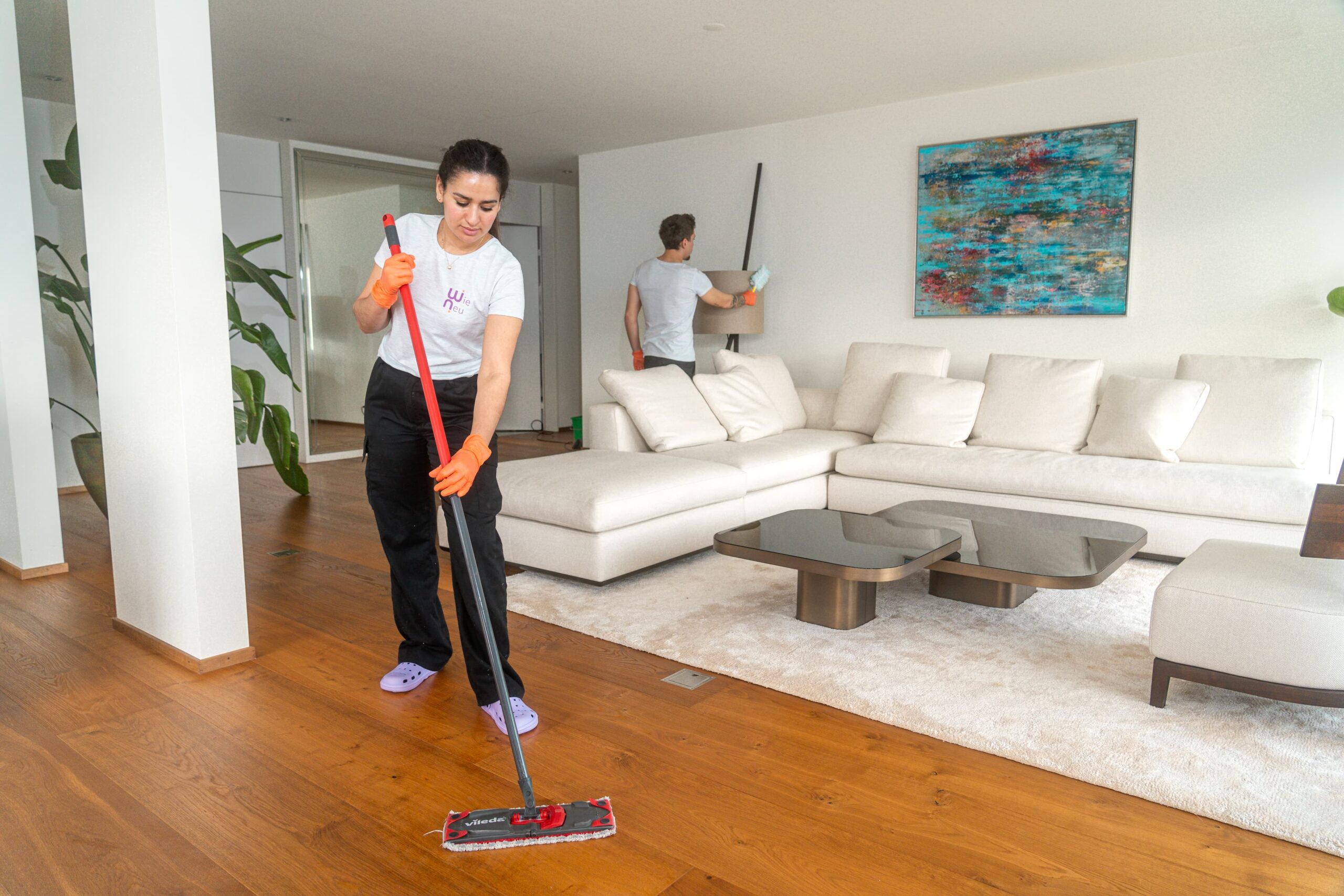
When it comes to choosing the right flooring for your home or office, aesthetics often take center stage. But beyond looks, practicality matters just as much, especially when it comes to cleaning and upkeep. One of the most common debates homeowners face is carpet vs. hard floors: which is easier to maintain? This question is particularly important for busy households, pet owners, and anyone aiming to keep their space clean without constant effort.
In this comprehensive guide, we’ll break down the pros and cons of both options, explore maintenance requirements, and help you determine which flooring type best suits your lifestyle.
Understanding the Basics
Before diving into maintenance comparisons, it’s essential to define what we mean by each flooring type.
Carpet refers to textile floor coverings typically made from fibers like nylon, polyester, or wool. It offers warmth, comfort, and noise reduction.
Hard floors include materials such as hardwood, laminate, tile, vinyl, and stone. These surfaces are known for their durability and sleek appearance.
So, when evaluating carpet vs. hard floors: which is easier to maintain?, we need to consider cleaning frequency, durability, stain resistance, and long-term upkeep.
Daily Cleaning Requirements
Carpet Maintenance
Carpets tend to trap dust, dirt, allergens, and pet hair deep within their fibers. This means regular vacuuming is essential, often several times a week in high-traffic areas.
Spills can also be problematic. If not addressed immediately, liquids can seep into the fibers and padding, leading to stains or even odors.
Pros:
- Hides dirt better than hard floors
- Feels soft underfoot
Cons:
- Requires frequent vacuuming
- Prone to staining
- Can hold allergens
Hard Floor Maintenance
Hard floors are generally easier to clean on a day-to-day basis. Dust and debris stay on the surface, making them easy to sweep or mop.
Spills are also less of a concern since most hard surfaces are resistant to moisture.
Pros:
- Easy to sweep and mop
- Does not trap allergens
- Quick cleanup for spills
Cons:
- Dust and dirt are more visible
- Requires regular sweeping
When comparing carpet vs. hard floors: which is easier to maintain?, hard floors clearly have the advantage in daily cleaning.
Deep Cleaning Needs
Carpet Deep Cleaning
Carpets require periodic deep cleaning to remove embedded dirt and bacteria. This can involve steam cleaning, shampooing, or hiring professional services.
Experts recommend deep cleaning carpets at least once or twice a year, depending on usage.
This process can be time-consuming and may require drying time, during which the area cannot be used.
Hard Floor Deep Cleaning
Hard floors also benefit from occasional deep cleaning, but the process is typically simpler. Mopping with appropriate cleaning solutions or polishing (for hardwood) is usually sufficient.
Tile floors may require grout cleaning, which can be labor-intensive, but this is less frequent than carpet deep cleaning.
In terms of carpet vs. hard floors: which is easier to maintain?, hard floors again come out ahead due to simpler deep cleaning routines.
Stain Resistance and Spill Management
Carpet Challenges
Carpets are more vulnerable to stains from food, drinks, mud, and pet accidents. Even with stain-resistant treatments, certain substances can cause permanent damage.
Immediate action is crucial, and specialized cleaning products are often needed.
Hard Floor Advantages
Hard floors are far more forgiving when it comes to spills. Most liquids can be wiped away quickly without leaving a trace.
This makes them ideal for kitchens, dining areas, and homes with children or pets.
If you’re still asking carpet vs. hard floors: which is easier to maintain?, stain resistance is a major factor that favors hard flooring.
Durability and Longevity
Carpet Lifespan
Carpets typically last 5–15 years, depending on quality and maintenance. High-traffic areas can show wear quickly, including matting and fading.
Replacing carpet can be costly and inconvenient.
Hard Floor Lifespan
Hard floors, especially hardwood and tile, can last decades with proper care. They are more resistant to wear and tear, making them a long-term investment.
While scratches and dents can occur, they are often easier to repair than replacing an entire carpet.
From a durability standpoint, the answer to carpet vs. hard floors: which is easier to maintain? leans toward hard floors due to their longevity.
Allergy and Hygiene Considerations
Carpet and Allergens
Carpets can trap allergens such as dust mites, pollen, and pet dander. While this may prevent them from circulating in the air, it also means they accumulate over time.
Regular vacuuming with HEPA filters can help, but carpets are generally not ideal for allergy sufferers.
Hard Floors and Clean Air
Hard floors do not trap allergens, making them easier to keep hygienic. Dust and particles can be removed completely with proper cleaning.
This is particularly important in homes where indoor air quality is a priority.
Once again, in the debate of carpet vs. hard floors: which is easier to maintain?, hard floors provide a cleaner and more hygienic option.
Maintenance Costs
Carpet Costs
Carpet maintenance includes:
- Vacuum cleaners
- Cleaning products
- Professional deep cleaning services
- Potential replacement
These costs can add up over time.
Hard Floor Costs
Hard floors generally require:
- Basic cleaning tools (broom, mop)
- Occasional specialized cleaners
- Refinishing (for hardwood, every few years)
While initial installation may be higher, long-term maintenance costs are often lower.
Considering cost efficiency, carpet vs. hard floors: which is easier to maintain? again favors hard flooring.
Noise and Comfort Trade-Off
While maintenance is crucial, comfort and noise also play a role in your decision.
Carpet Benefits
- Absorbs sound
- Provides warmth and cushioning
- Ideal for bedrooms and living areas
Hard Floor Trade-Offs
- Can be noisy (footsteps, dropped items)
- May feel cold or hard underfoot
However, these issues can be mitigated with rugs and proper insulation.
Even so, when focusing strictly on carpet vs. hard floors: which is easier to maintain?, comfort does not outweigh the maintenance benefits of hard floors.
Pet Owners: A Special Case
If you have pets, maintenance becomes even more critical.
Carpet with Pets
- Traps fur and odors
- Susceptible to stains and accidents
- Requires frequent cleaning
Hard Floors with Pets
- Easy to clean fur and messes
- More resistant to scratches (depending on material)
- Better odor control
For pet owners, the answer to carpet vs. hard floors: which is easier to maintain? is almost always hard floors.
Environmental Impact
Carpets often need to be replaced more frequently, contributing to waste. Some materials are also less eco-friendly.
Hard floors, especially those made from sustainable materials like bamboo or reclaimed wood, can be more environmentally friendly over time.
This adds another dimension to carpet vs. hard floors: which is easier to maintain?, as sustainability aligns with long-term practicality.
After considering all factors—daily cleaning, deep maintenance, durability, cost, hygiene, and practicality, the conclusion is clear:
Hard floors are generally easier to maintain than carpets.
They require less effort for daily cleaning, are more resistant to stains, last longer, and promote better indoor air quality.
However, carpets still have their place, especially in areas where comfort and warmth are priorities.
Choosing between carpet and hard flooring ultimately depends on your lifestyle, preferences, and maintenance expectations. While carpets offer comfort and coziness, they demand more effort to keep clean and fresh.
On the other hand, hard floors provide a practical, low-maintenance solution that suits modern living.
So, if you’re still weighing carpet vs. hard floors: which is easier to maintain?, the answer leans strongly toward hard floors, especially for busy households, pet owners, and anyone seeking a cleaner, more manageable home environment.