
Introduction
Have you ever noticed how stepping into a freshly cleaned home instantly lifts your mood? The air feels lighter, your mind seems clearer, and everything just feels… better. This isn’t just a coincidence, it’s rooted in psychology. A clean environment has a powerful impact on your mental and emotional well-being.
In this article, we’ll explore the psychology of clean spaces and why maintaining a tidy home can significantly improve your quality of life. From reducing stress to boosting productivity, the benefits go far beyond aesthetics.
The Connection Between Cleanliness and Mental Health
Your surroundings play a crucial role in how you feel. When your home is cluttered or dirty, it can create a sense of chaos in your mind. Studies in environmental psychology suggest that visual clutter competes for your attention, making it harder to focus and process information.
This is where the psychology of clean spaces comes into play. A clean and organized home provides a sense of control and stability, which can reduce feelings of anxiety and overwhelm. When everything is in its place, your brain doesn’t have to work as hard to interpret your environment.
Reduced Stress and Anxiety
One of the most immediate benefits of a clean home is reduced stress. Clutter can act as a constant reminder of unfinished tasks, leading to feelings of guilt or pressure. Over time, this can contribute to chronic stress.
By embracing the psychology of clean spaces, you create an environment that promotes calmness. Clean surfaces, organized rooms, and fresh scents signal to your brain that everything is under control. This can lower cortisol level, the hormone responsible for stress.
Even small cleaning habits, like making your bed or clearing your desk, can have a big impact on your mood.
Improved Focus and Productivity
A cluttered space often leads to a cluttered mind. When your environment is messy, it becomes harder to concentrate on tasks. You may find yourself easily distracted or struggling to stay productive.
This is why the psychology of clean spaces is so important for both work and daily life. A tidy home minimizes distractions, allowing your brain to focus on what truly matters. Whether you’re working from home or managing household responsibilities, a clean space supports better performance.
Many successful individuals prioritize cleanliness in their environment because it helps them think clearly and act efficiently.
Better Sleep Quality
Your bedroom environment directly affects how well you sleep. A messy or dirty space can make it difficult to relax, while a clean and organized bedroom promotes restfulness.
According to the psychology of clean spaces, your brain associates cleanliness with safety and comfort. When your surroundings are calm and orderly, it’s easier to unwind at the end of the day.
Simple actions like changing bed linens, decluttering nightstands, and maintaining cleanliness can significantly improve your sleep quality.
Boosted Mood and Happiness
There’s a reason why cleaning is often described as “therapeutic.” Completing cleaning tasks can release dopamine, the “feel-good” hormone associated with accomplishment and satisfaction.
Through the psychology of clean spaces, you can create a positive feedback loop: cleaning improves your mood, and a better mood motivates you to maintain cleanliness.
Walking into a fresh, clean home after a long day can instantly lift your spirits. It creates a welcoming atmosphere that makes you feel proud and comfortable in your own space.
A Sense of Control and Achievement
Life can sometimes feel unpredictable and overwhelming. However, maintaining a clean home is something you can control. This sense of control is incredibly empowering.
By applying the psychology of clean spaces, even small cleaning tasks can give you a sense of accomplishment. Whether it’s organizing a drawer or deep-cleaning a room, these actions provide tangible results that boost confidence and motivation.
This is especially important during stressful times when other aspects of life may feel uncertain.
Enhanced Social Confidence
Have you ever hesitated to invite guests over because your home wasn’t tidy? You’re not alone. A messy space can lead to embarrassment or social anxiety.
Understanding the psychology of clean spaces can help you feel more confident about your home. When your space is clean and organized, you’re more likely to welcome visitors and enjoy social interactions.
A clean home also creates a positive impression, making guests feel comfortable and relaxed.
The Role of Sensory Experience
Cleanliness isn’t just about what you see, it also involves your senses. Fresh scents, clean air, and smooth surfaces all contribute to how a space feels.
Through the psychology of clean spaces, sensory elements play a key role in emotional well-being. The smell of freshly cleaned surfaces or the feel of a tidy room can create a sense of renewal and freshness.
Incorporating elements like natural light, pleasant fragrances, and organized layouts enhances the overall experience of your home.
Building Healthy Habits Through Cleaning
Maintaining a clean home isn’t about perfection, it’s about consistency. Small, daily habits can make a big difference over time.
By embracing the psychology of clean spaces, you can develop routines that support both cleanliness and mental well-being. Simple practices like tidying up after meals, doing regular laundry, and decluttering weekly can keep your home in order without feeling overwhelming.
Consistency is key. A little effort each day prevents the buildup of mess and stress.
Practical Tips to Maintain a Clean and Positive Space
To fully benefit from the psychology of clean spaces, consider these practical tips:
- Start small: Focus on one area at a time to avoid feeling overwhelmed.
- Create a routine: Set a regular cleaning schedule that fits your lifestyle.
- Declutter regularly: Remove items you no longer need or use.
- Use storage solutions: Keep your space organized with smart storage options.
- Involve everyone: If you live with others, share cleaning responsibilities.
- Add personal touches: Decorate your space in a way that makes you feel happy and comfortable.
These simple steps can help you maintain a home that supports your mental and emotional well-being.
Why Professional Cleaning Can Help
Sometimes, maintaining a clean home can be challenging due to a busy schedule or other responsibilities. This is where professional cleaning services can make a difference.
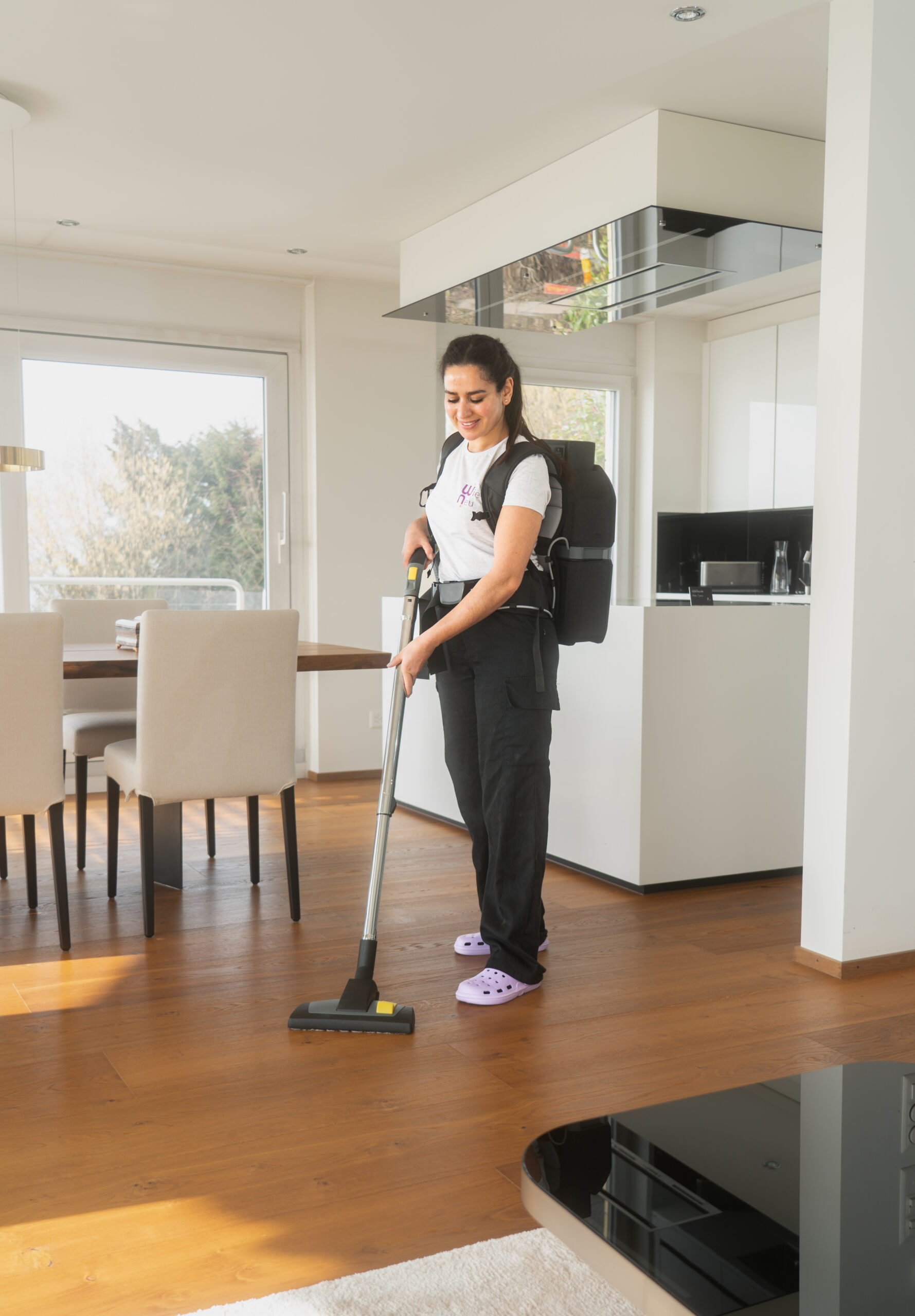
Professional cleaners ensure that your home is thoroughly cleaned and maintained, allowing you to fully experience the psychology of clean spaces without the stress of doing it all yourself.
Investing in professional cleaning isn’t just about convenience, it’s about improving your quality of life.